
Buddhist Monastery Reflections | Fall 2023
I stayed at two Theravada Bhikkhuni (female monastic) Buddhist monasteries for a couple months. Here's a bit about my experience.

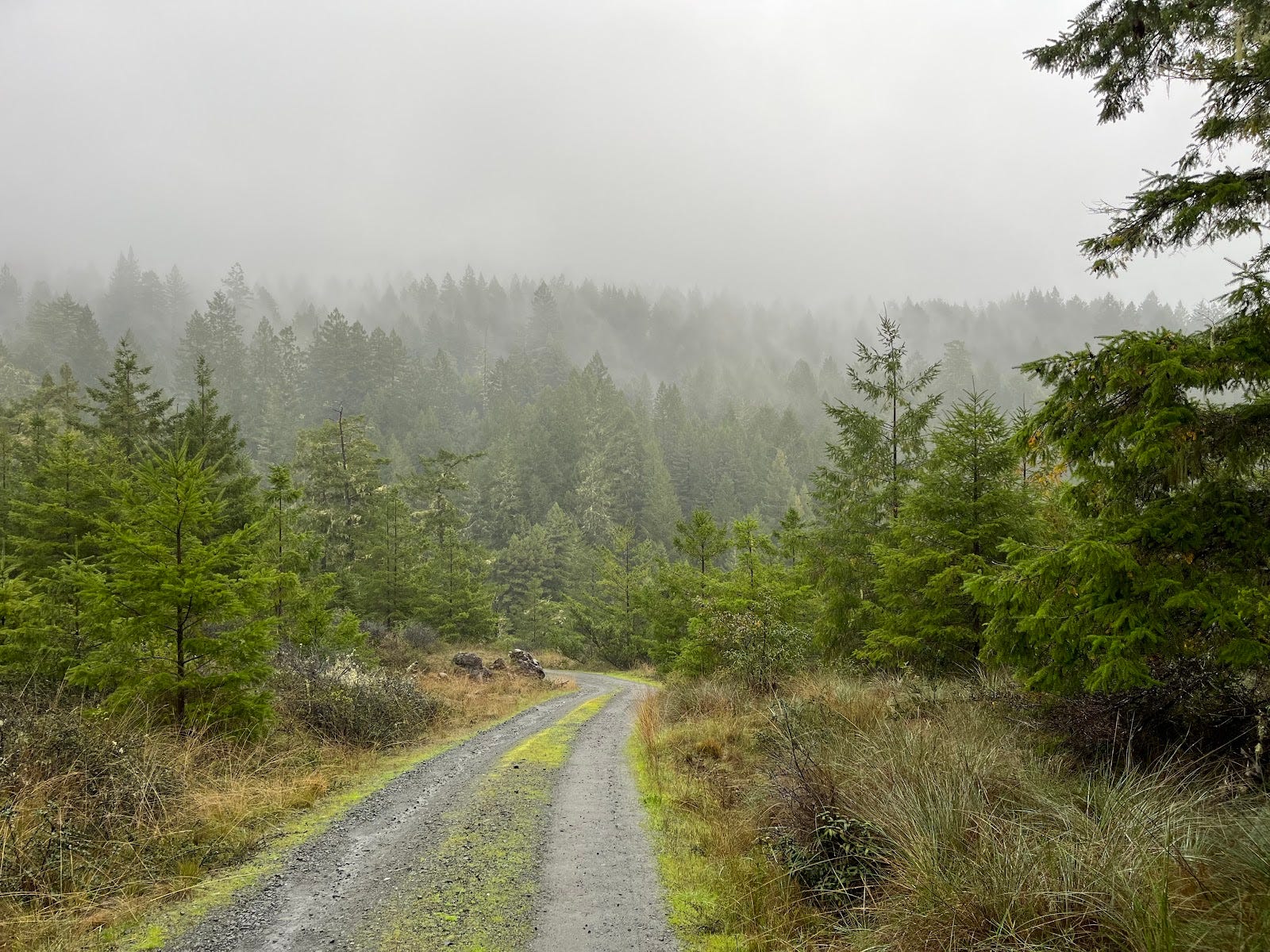
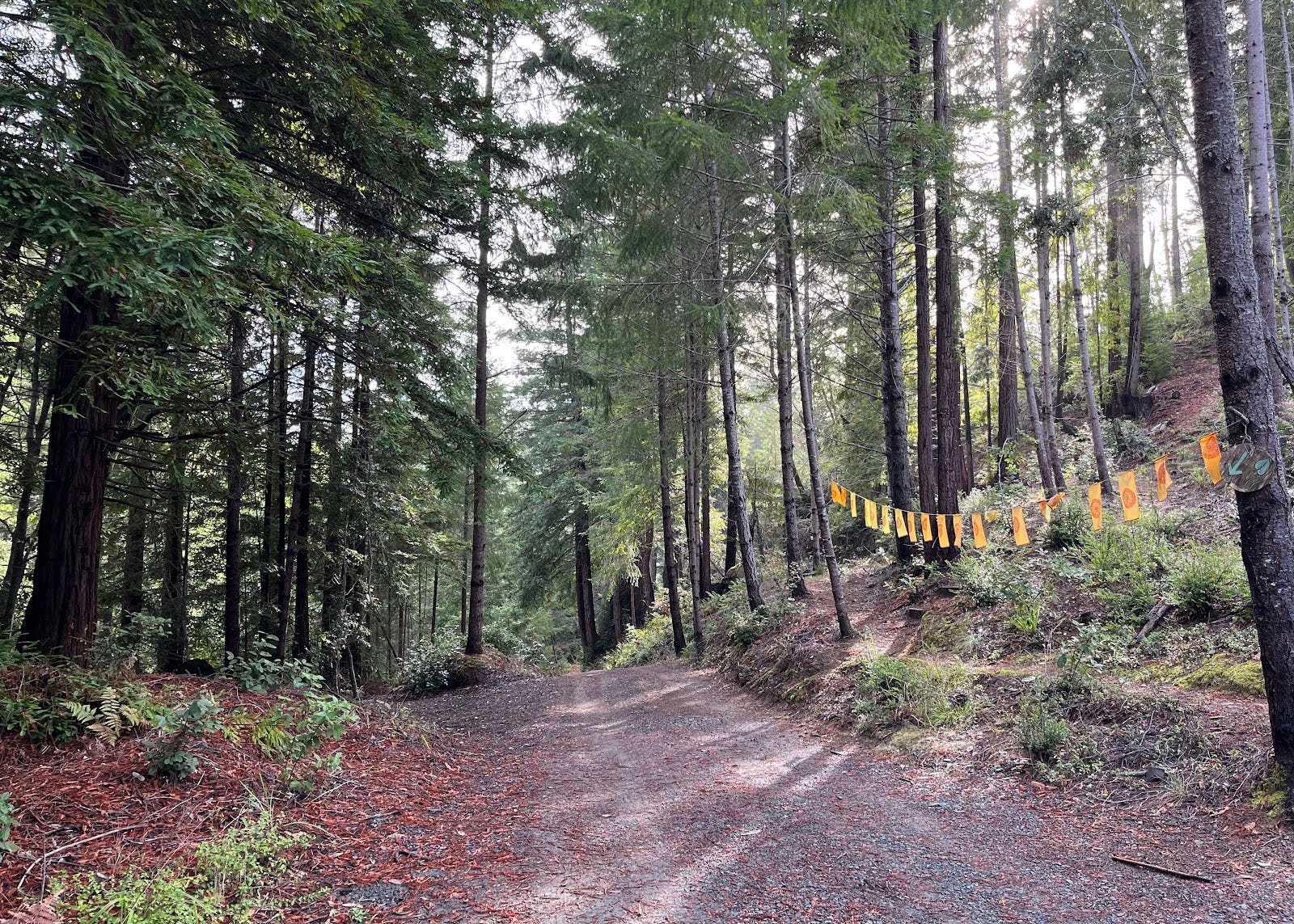
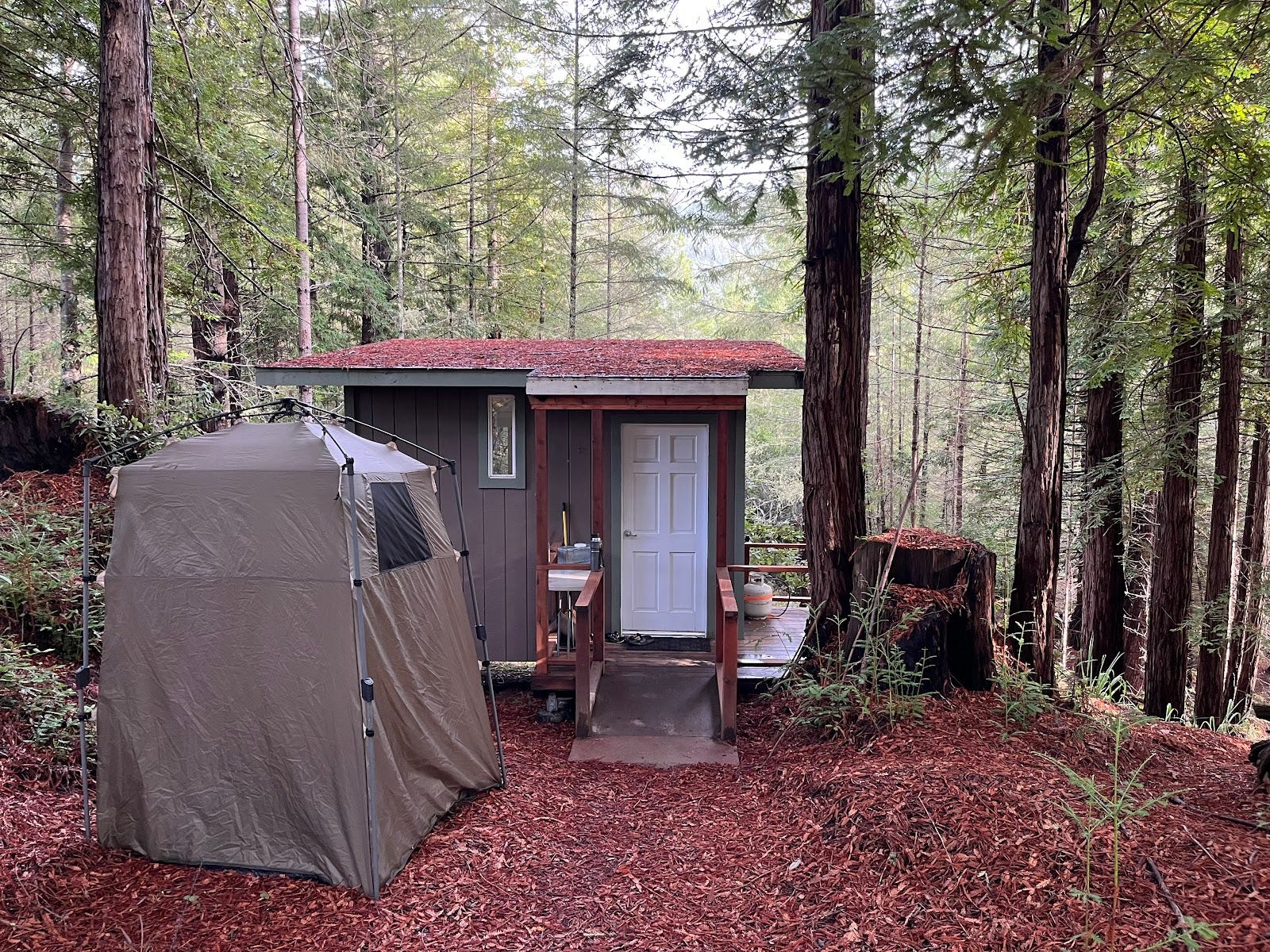
I recently spent a beautiful month at Dhammadharini Monastery near Santa Rosa, CA, and its sister hermitage, Aranya Bodhi, in the Sonoma County forest. I then spent about a week at Karuna Buddhist Vihara in Boulder Creek, and I hope to share some Dhamma learnings I’ve been fortunate to glean from these wonderful experiences.
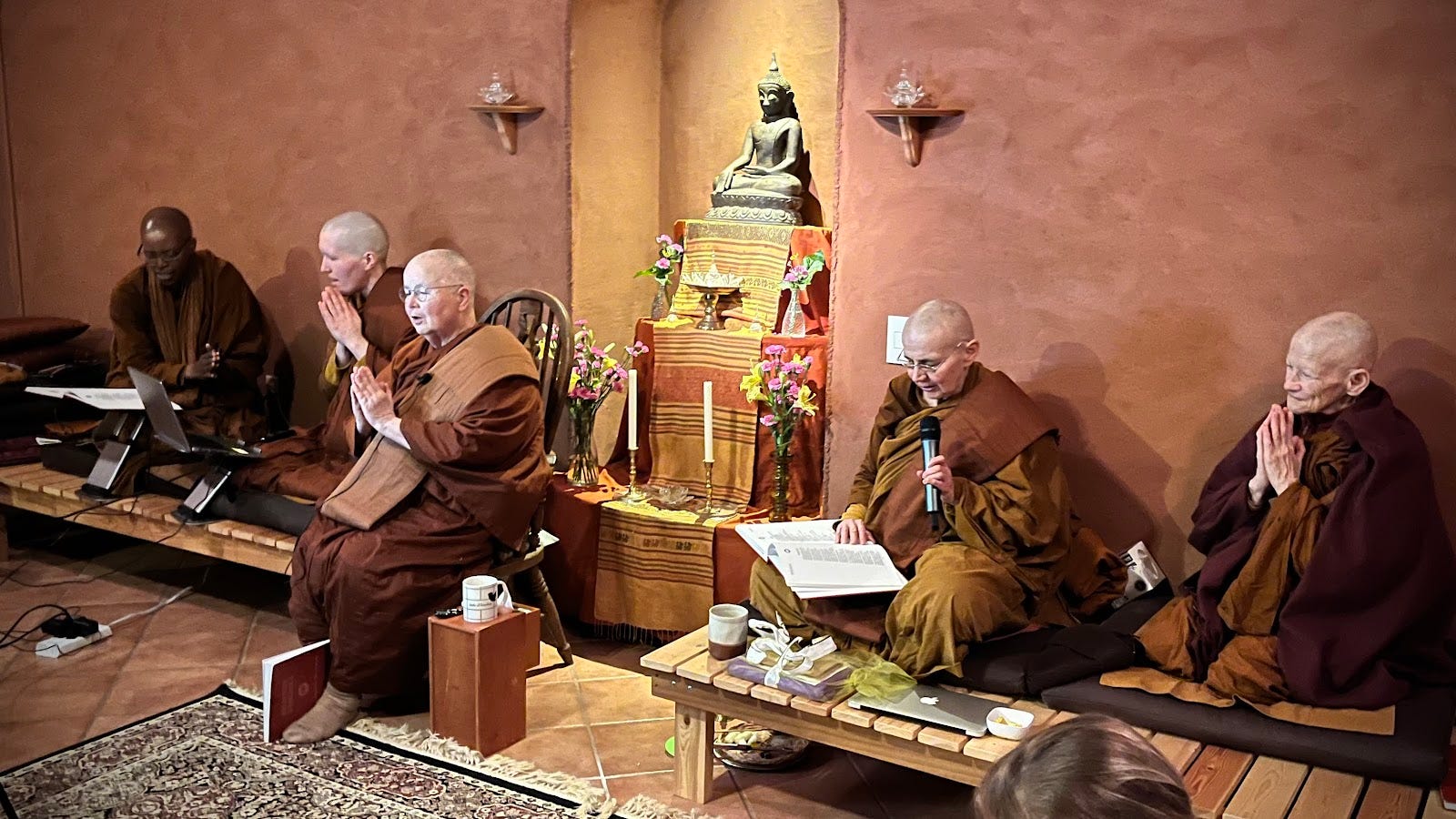
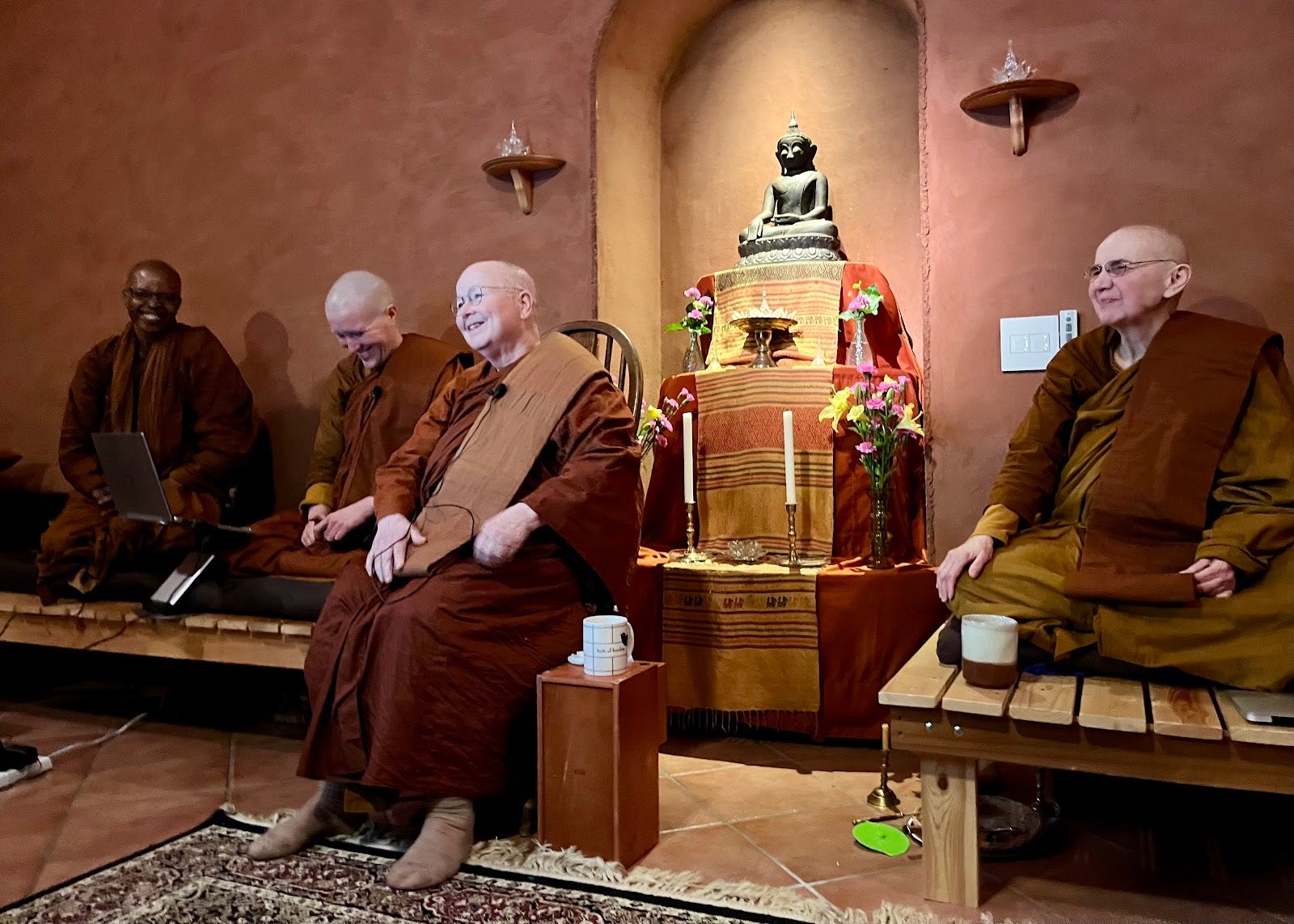
Dhammadharini Monastery
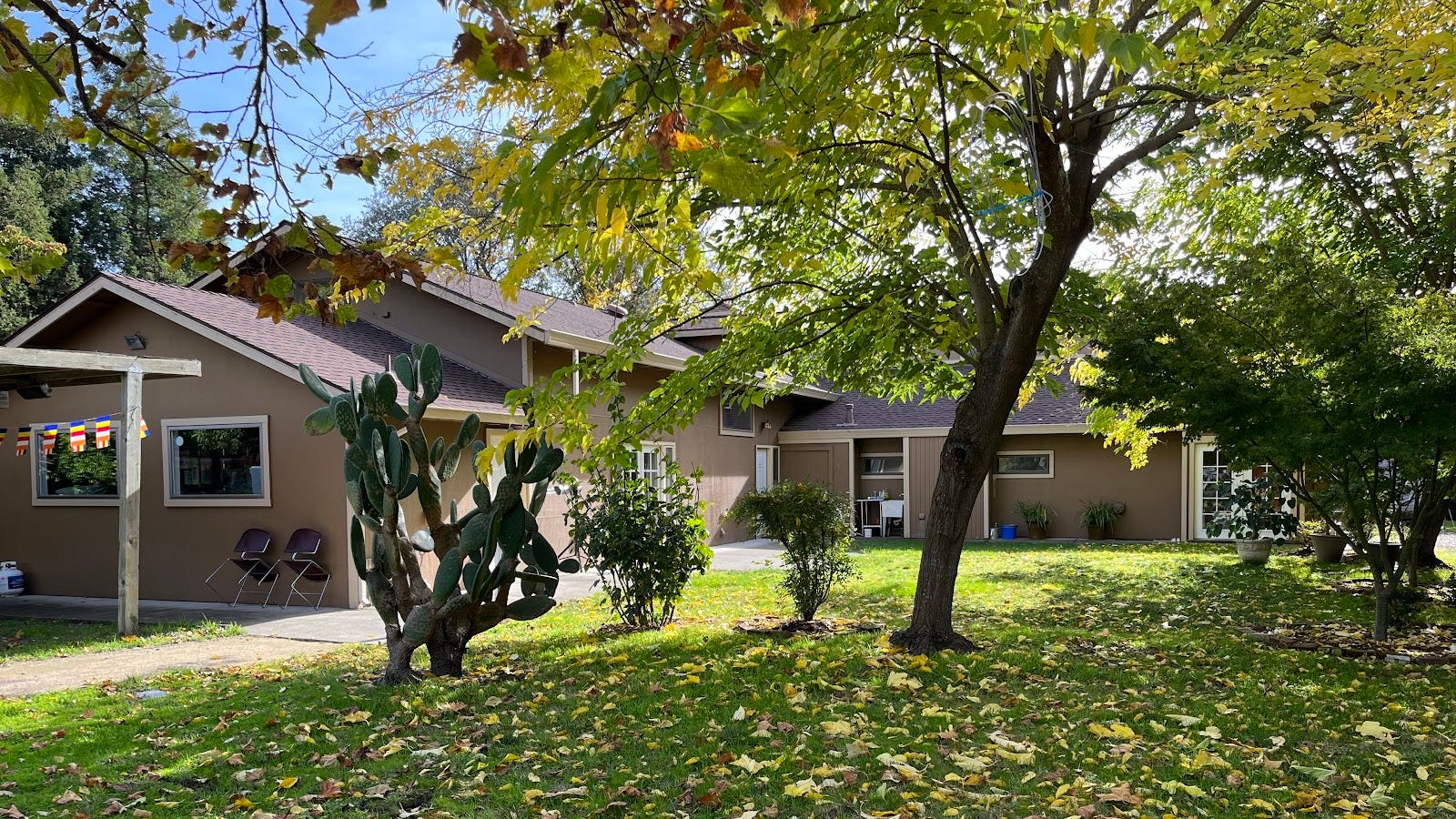
Life at the Monastery
For those of you who may know little about Buddhist monastery life in general, I’ll speak first about the daily schedule and how life flows in the monastery.
We wake early for morning meditation and chanting starting at 5am. Different Theravada monasteries chant for varying amounts of time and may choose to chant before or after meditation. During my time at Dhammadharini, we chanted for about 10 minutes after a 50-minute meditation session.
At 6 am, the guest stewards prepare breakfast and offer it first to the monastics. We then take from what's left for ourselves. This act of serving is a gift to us; we strengthen the habit of generosity by wholeheartedly and selflessly serving the nuns!
Most days there is a morning meeting at 8am to discuss duties for the day and orient ourselves toward Dhamma (the Buddha’s teachings - more commonly known in the West as the sanskrit Dharma). Then the duties ensue for the morning. Lunch is often a primary responsibility for guest stewards, as Theravada monastics aren’t allowed to cook as part of their training. Since they rely on us to feed them, we usually need the morning to make a substantial lunch. We also don’t eat after noon while living at the monastery with the monastics, so we want to be sure that lunch preparations go well.
After serving lunch, cleaning the kitchen (often not a small task), and completing other monastery tasks or personal rest and practice time for the afternoon, some monasteries may have a tea and Dhamma discussion around 5 or 6 pm. At Dhammadharini, our next scheduled activity was evening chanting and meditation at 7 pm. One or two days a week, they offer an evening teaching, altering the schedule accordingly. Following this, it's time for rest and lights out, preparing for the next day. Usually, there is one or two days a week with no scheduled activities (such as group chanting, meditation, meetings, and teachings), allowing for additional rest and personal practice aside from the necessary meals and other monastery tasks.
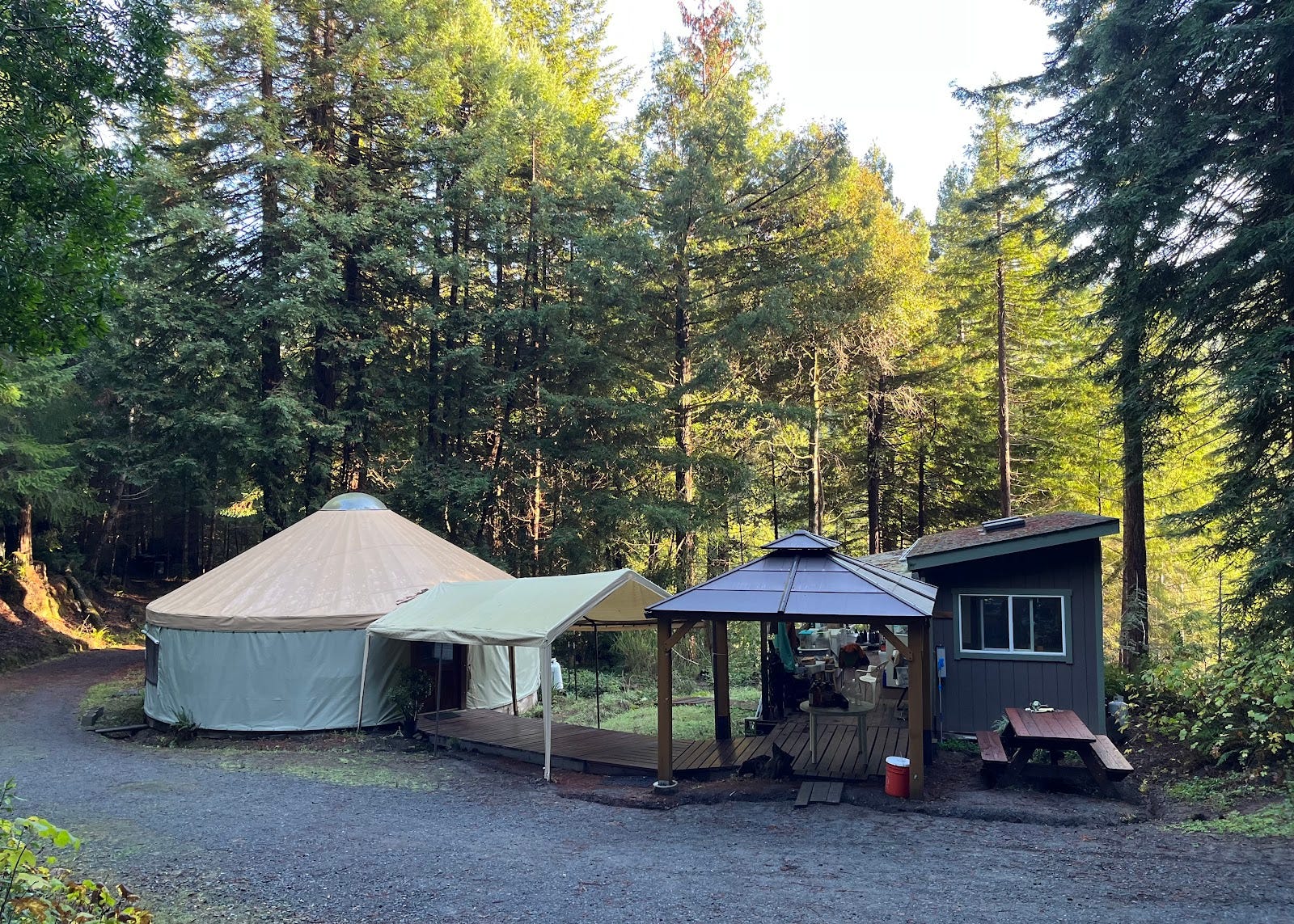
Monastery Learnings
Some of what I’ve been learning lately is how one is truly an island unto oneself in spiritual practice. It doesn’t mean we don’t rejoice with and depend on others, but no one else can do the spiritual practice for us – we can’t obtain wisdom through anyone else’s experiences. We have to do the work ourselves to understand how we are, and what keeps us, stuck. What are we believing? Where are we holding ourselves back? Good friends also help us see the answers to these questions, but ultimately, one needs to investigate and see deeper truths individually. The Buddha says the Dhamma, the truth of reality, is “leading inwards” and “to be experienced individually by the wise.”
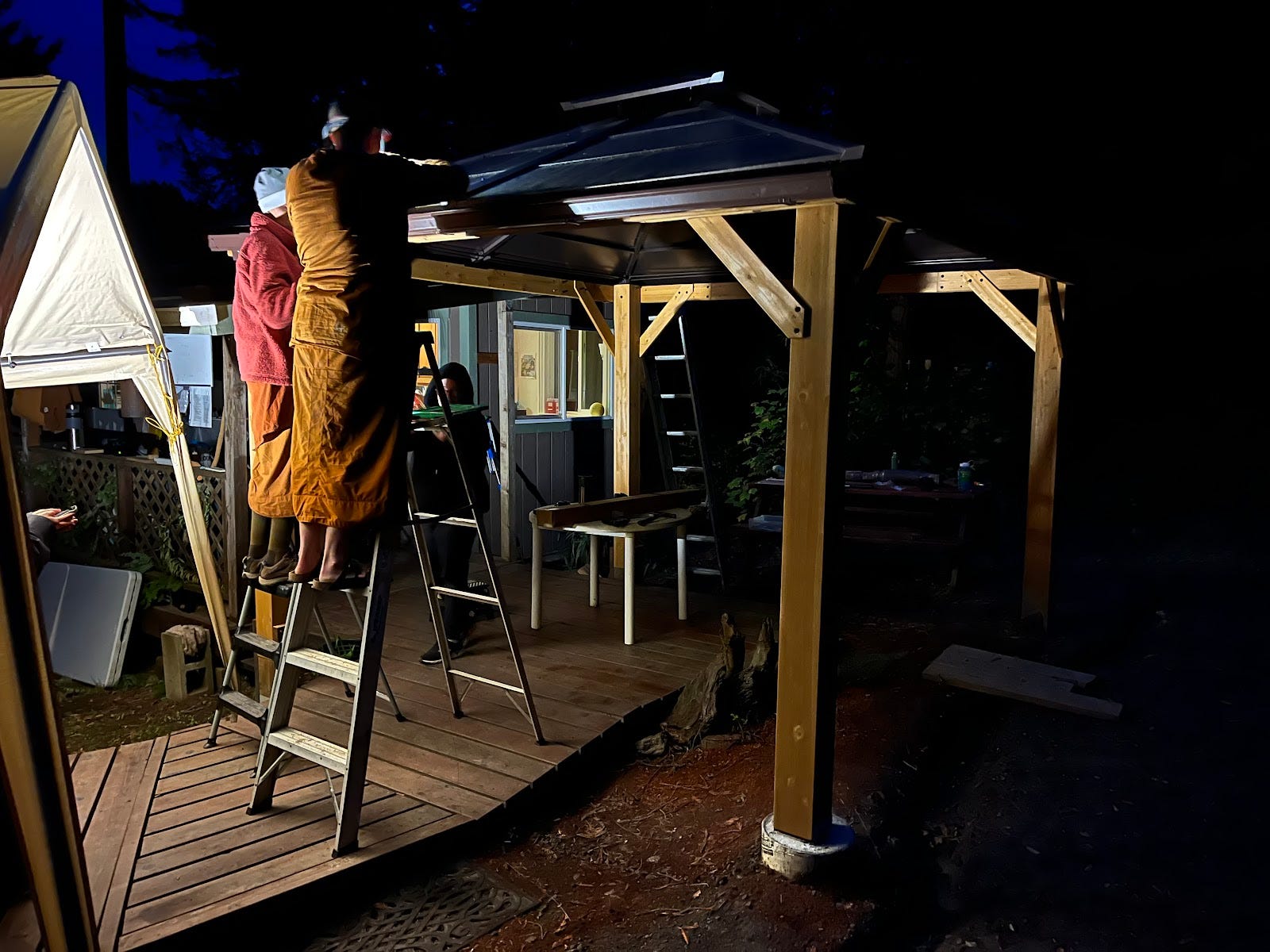
I learned a lot from the nuns at Dhammadharini and Aranya Bodhi Hermitage. Not only talking with the nuns, but also being able to see how they live is a great benefit from visiting. One thing that struck me is how much they do everyday! They are quite busy with teachings, managing the stream of guests, and keeping both locations running smoothly, all while fulfilling their own meditation practice and monastic-related duties. Aiming to perform every task with lightness of heart and an intention to share the Buddha’s teachings is beautiful to witness in action.
One nun talked a lot about the importance of constant mindfulness and why befriending the breath is crucial in spiritual practice. When someone is “embodied,” they are aware of their own body along with their external surroundings. I could observe how mindfully embodied she was in her careful and intentional actions. She spoke of how every action affects the quality and depth of meditation. I know this in my own experience, too – anything I may have done during the day that I wasn’t proud of comes up naggingly in my mind when I go to sit in meditation. However, to counteract unnecessary self-blame, I like to ask myself either during or after meditation, depending on the strength and frequency of the thoughts, did I intentionally harm? Either way, I can resolve to correct the situation or improve in the future and then forgive myself, letting go of the nagging thoughts.
The Buddha taught at great length about the importance of ethics, morality, or virtue, and this is one reason why. This nun had said, “Flow with the Dhamma, listen to the Dhamma, be with the Dhamma, and the Dhamma will be with you. It takes as much effort in going away from the Dhamma as to get back to the Dhamma.” One could substitute other words for “Dhamma” here – perhaps Truth, the Absolute, Universe, Intelligence, Nature, or God.
I was struck by how she would appear just when I was thinking of needing to ask her a question about how to do a new task or for another timely reason for her presence. She would say she felt pulled as if by a string by the Dhamma to go where she needed to be. It was inspiring, and at times almost unbelievable, how in-tune she was with her surroundings and what was needed for the greater whole - us interconnected organisms (including her own body and heart-mind).
Karuna Buddhist Vihara
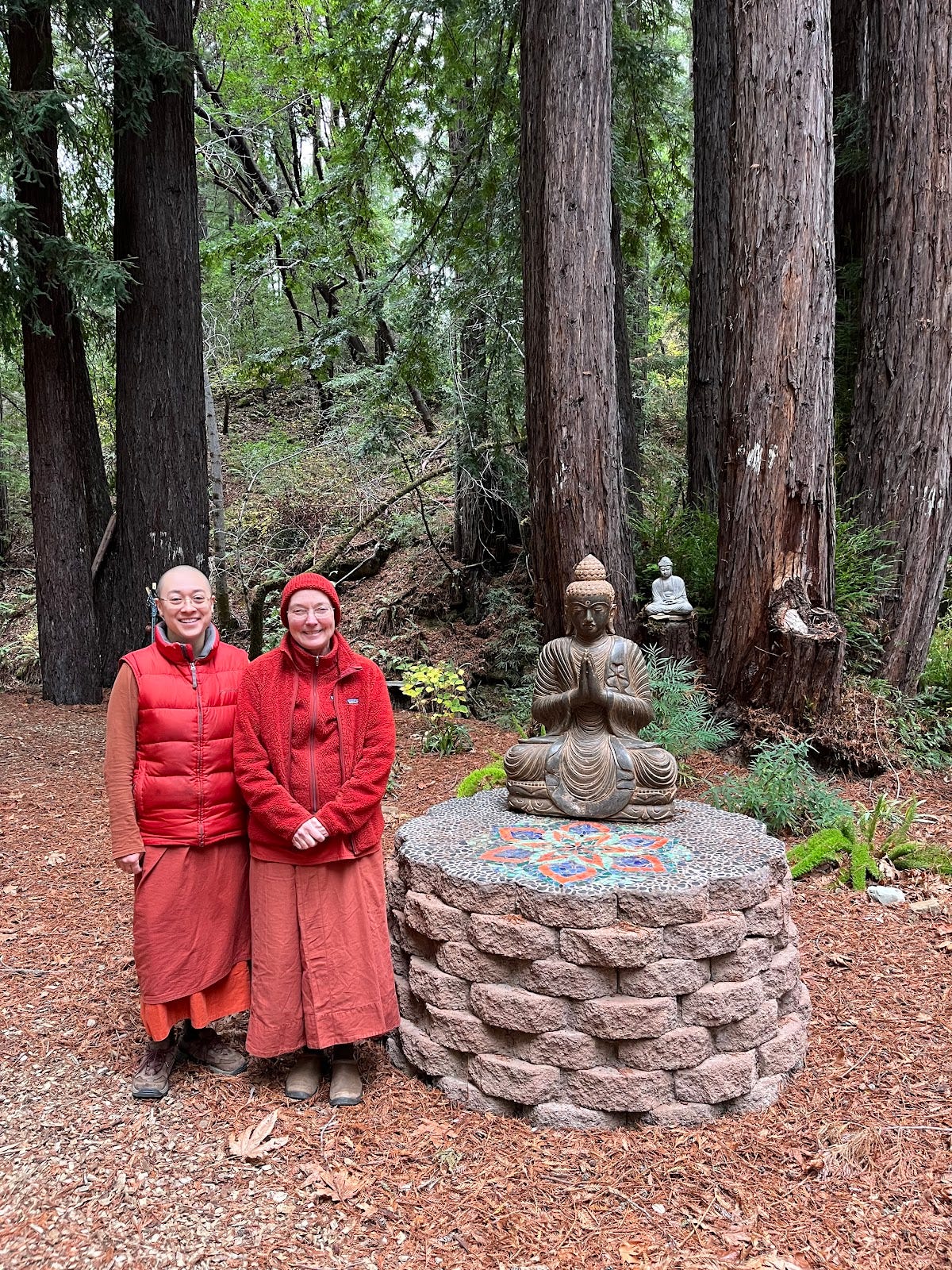
Sweet Time
My time at Karuna Buddhist Vihara felt brief but so sweet. In one sutta study class Ayya Santussika talked about how the Buddha taught us to be a good friend to oneself and others. In the Sigāla Sutta, the Buddha talks about four good friends: the helper, the friend in good times and bad, the counselor, and the one who’s compassionate (DN 31). These four friends look out for you when you need it, whether you know it or not, they hold your secrets and care for you in troubling times, they support your spiritual growth and encourage good deeds, and they are happy when good things happen for you. I always gain so much from Ayya Santussika’s Dhamma teachings, and I also learn so much from both Ayyas in seeing the way they live – in their detachment and equanimity with the world, in giving so much time to sharing the Dhamma with others, and in discussing meditation.
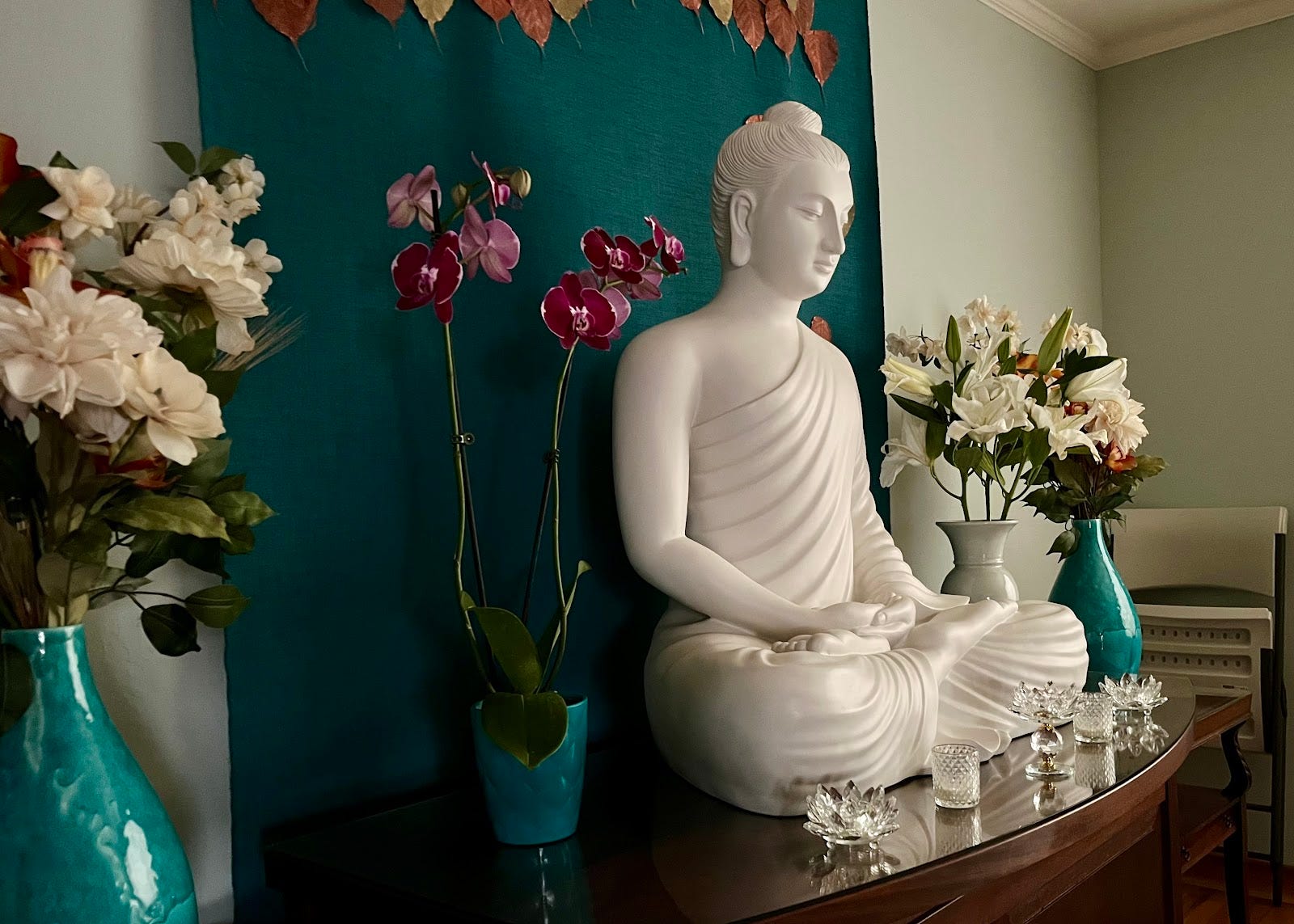
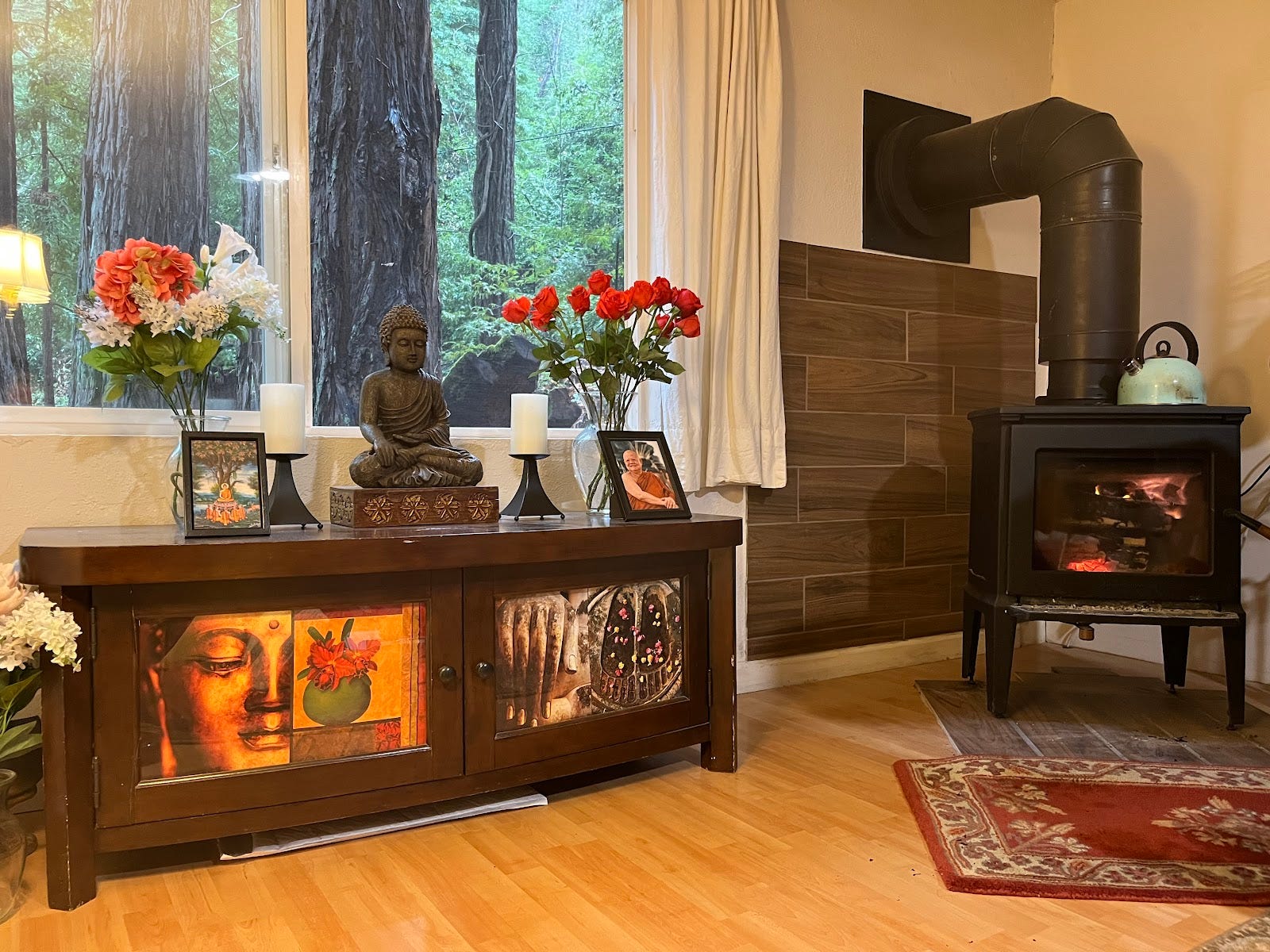
The ayyas’ faith in the triple gem (Buddha, Dhamma, and Sangha (Buddhist community)) is so palpable. To water the roots of faith in the Buddha; to keep growing in wisdom and compassion on the noble eightfold path – this is an important lesson I have learned many times in different ways at Karuna Buddhist Vihara.
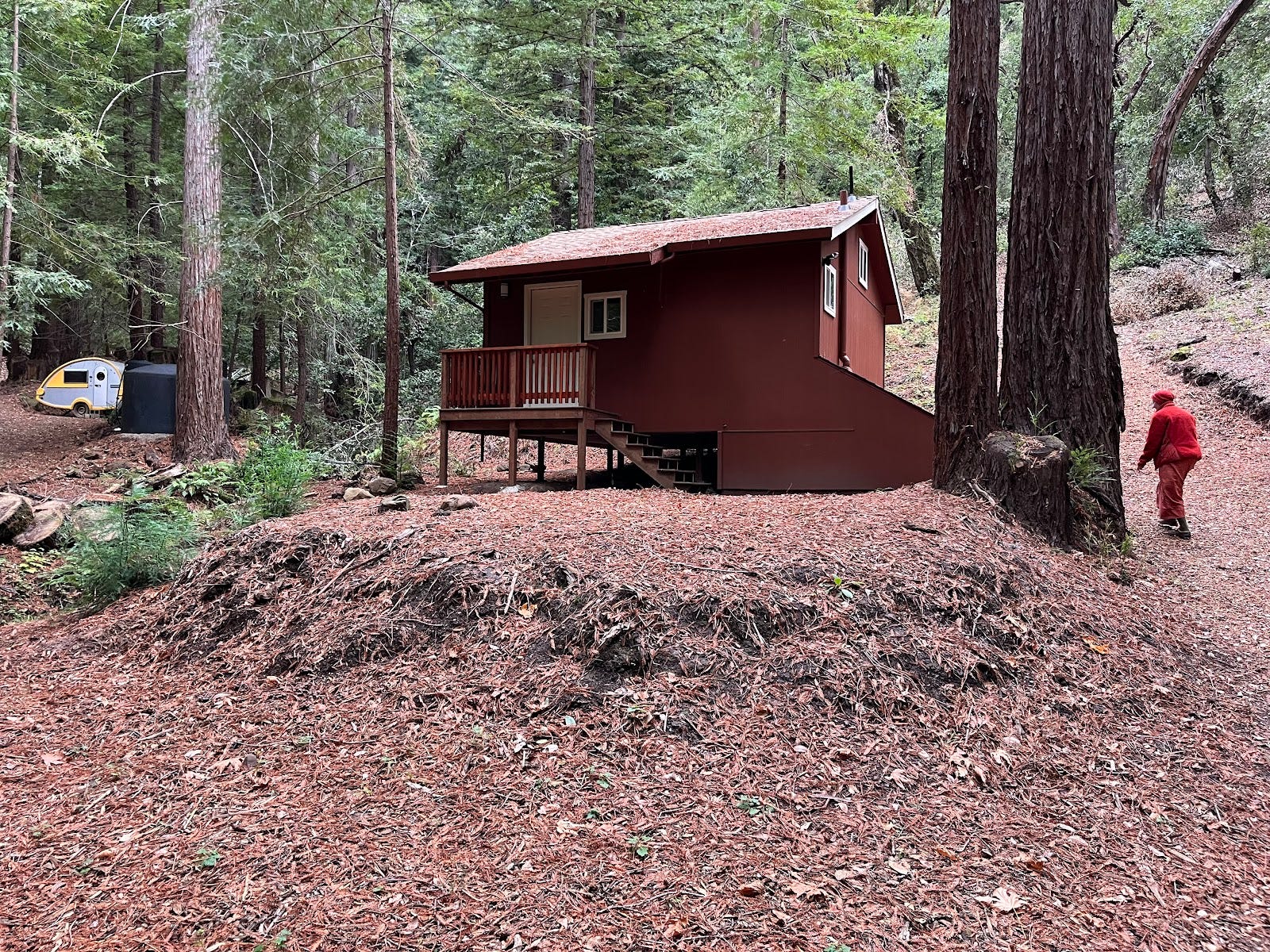
My hope for you is that you find whatever you’re seeking in the depths of your heart. In my experience, Theravada Buddhist monasteries are a beautiful gift to all who are seeking deeper peace and truth in this life.
You can learn more about Dhammadharini Monastery online and Karuna Buddhist Vihara. Attend teachings both online and in person, and apply to stay as a steward overnight through their respective websites. The opportunity to care for individuals committed to embodying virtue and wisdom is priceless. Moreover, the chance to reflect on one's own mind in the monastery environment feels like the greatest gift of one's time. Thanks for reading, and I would love to hear from you with any thoughts or questions. 🙂